
Latin may sound distant from everyday life in Ontario, but it still leaves fingerprints on modern legal and notarial language. Words such as notary and jurat come directly from Latin traditions, while the modern apostille system carries forward an older idea: a document should be able to prove its official origin even when it crosses a border.
This history is more than a collection of old words. It explains why notarial work relies on signatures, seals, formal certificates, prescribed wording, and public authority. The language has changed, but the central purpose has remained remarkably consistent: creating trust in documents between people and institutions that may not know each other personally.
Where the word notary comes from
The English word notary traces back to the Latin notarius, meaning a clerk or secretary associated with notes and shorthand. The root is connected with nota, meaning a mark, sign, or note. According to the Merriam-Webster history of the word notary, the English term ultimately comes from Latin notarius.
This does not mean that an ancient Roman notarius performed exactly the same job as an Ontario notary public today. In Roman administration, a notarius was often a person who recorded proceedings or dictation. Other Roman document professionals, including the tabellio, performed functions that were closer to preparing formal legal instruments.
Over time, these roles developed into more recognizable notarial offices. In medieval Europe, officially authorized notaries became important in commerce, property transactions, court matters, church administration, wills, contracts, and records of important events.
The modern notary is not simply a survivor of an ancient job title. The office developed over centuries around one powerful idea: a formal document can carry trusted evidence of who signed it, when it was made, and under whose authority it was authenticated.
Why Latin became so important to notarial documents
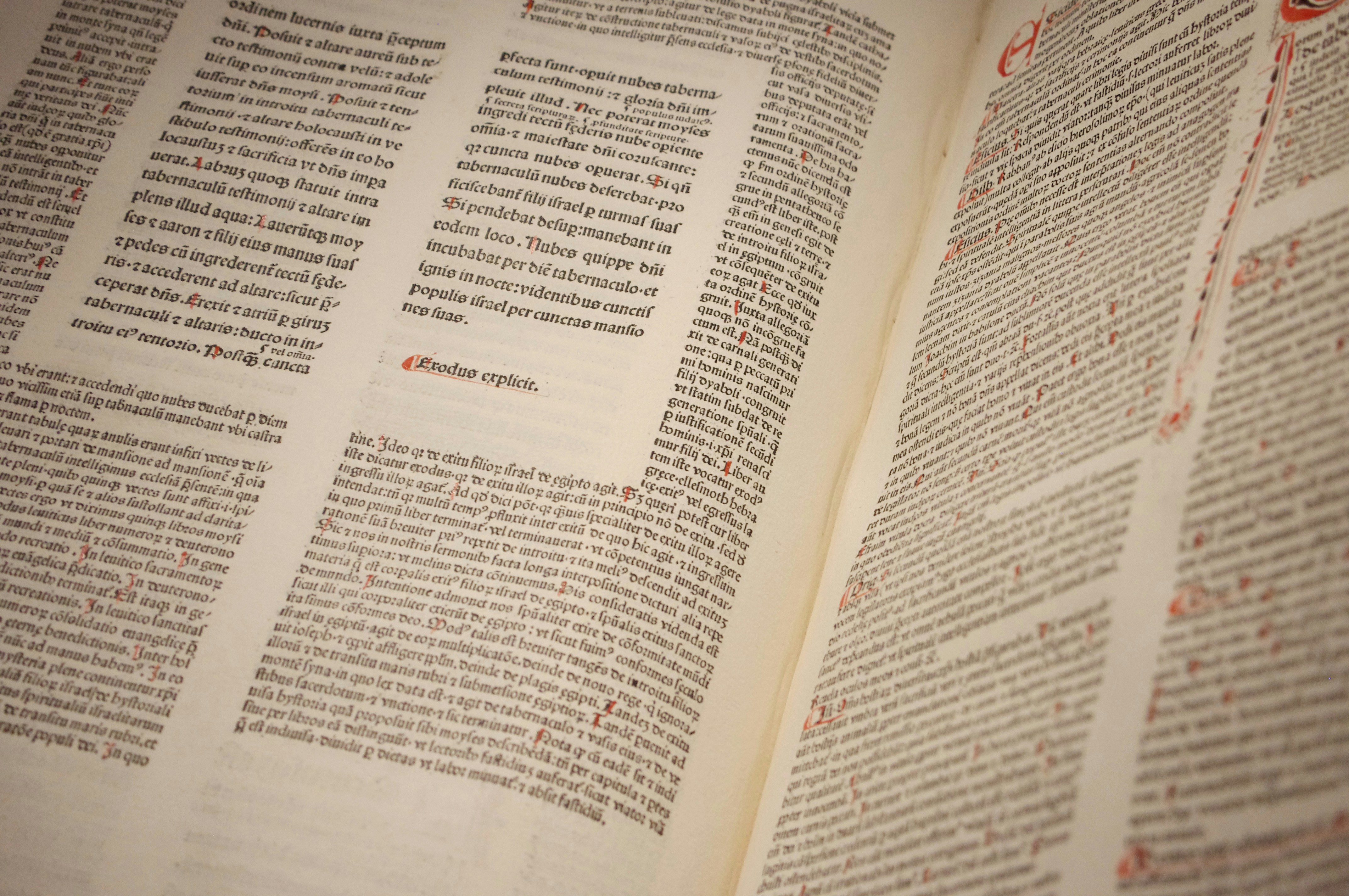
For many centuries, Latin served as a major written language of law, government, scholarship, and church administration in Western Europe. It was especially useful in formal records because trained scribes and officials in different regions could recognize many of the same legal formulas.
Medieval notarial documents often used repeated phrases and carefully structured wording. That repetition was not merely decorative. Formulaic language helped create consistency. When a document followed an accepted form, officials could more easily identify its purpose, the parties, the act being recorded, and the authority behind it.
Academic research on medieval notarial records shows that Latin formulas continued to influence legal drafting even as local Romance languages increasingly replaced Latin. A 2023 study from the University of La Laguna compares a Latin notarial document from 1210 with a Romance-language version from 1253 and shows how legal formulas moved from one language into another.
That transition is important. Legal systems did not simply abandon Latin and start over. They translated, adapted, and preserved many concepts.
The deeper idea behind formal legal language
The traditional notarial system depended on more than literacy. It depended on public faith, meaning confidence that an authorized official's act could be relied upon by others.
In practical terms, the system tried to answer questions that still matter today:
- Who signed the document?
- In what capacity did that person sign?
- Was the signature witnessed or acknowledged before an authorized official?
- Is the seal or stamp genuine?
- Can another authority rely on the document without personally knowing the signer?
These are still the central questions behind notarization and apostille authentication.
Latin words that still used in Canadian legal practice
Some Latin terms have disappeared from ordinary legal documents, but others remain surprisingly close to daily practice.
| Term | Historical root | Plain-language meaning today |
|---|---|---|
| Notary | Latin notarius | An authorized public officer who performs notarial acts |
| Jurat | Latin juratum est, meaning “it has been sworn” | The certification showing when, where, and before whom an affidavit or declaration was sworn, affirmed, or declared |
| Bona fide | Latin for “in good faith” | Genuine, honest, or made in good faith |
| Prima facie | Latin for “at first appearance” | Evidence that is sufficient on its face unless rebutted |
| Affidavit | A legal term shaped by the Latin tradition of sworn written statements | A written statement confirmed by oath or affirmation |
The word jurat is particularly interesting because it is not merely historical. Ontario's Commissioners for Taking Affidavits Act still refers to signing the jurat, and Ontario's official guide for commissioners explains that the jurat is the part of the document certifying when and where the affidavit or declaration was taken.
A Latin-derived word can therefore sit at the bottom of a completely modern Ontario affidavit, even though nobody involved needs to speak Latin.
Is Latin actually used by notaries in Ontario today?
Usually, no.
An Ontario notary public does not need to conduct a routine notarization in Latin, and a document does not become more official simply because it contains Latin expressions. Modern notarial work is governed by current Ontario law, not by medieval wording.
Ontario explains that a notary public has the powers of a commissioner for taking affidavits and can also verify signatures, marks, and copies of documents as true or genuine. The current role is described on the province's information page for notaries public and in Ontario's Notaries Act.
The practical emphasis today is on identity, authority, proper execution, signatures, seals, records, and compliance with the requirements of the receiving institution.
So Latin survives mostly in terminology and legal ancestry, not as the working language of a typical Ontario notary appointment.
The surprising history of the word apostille
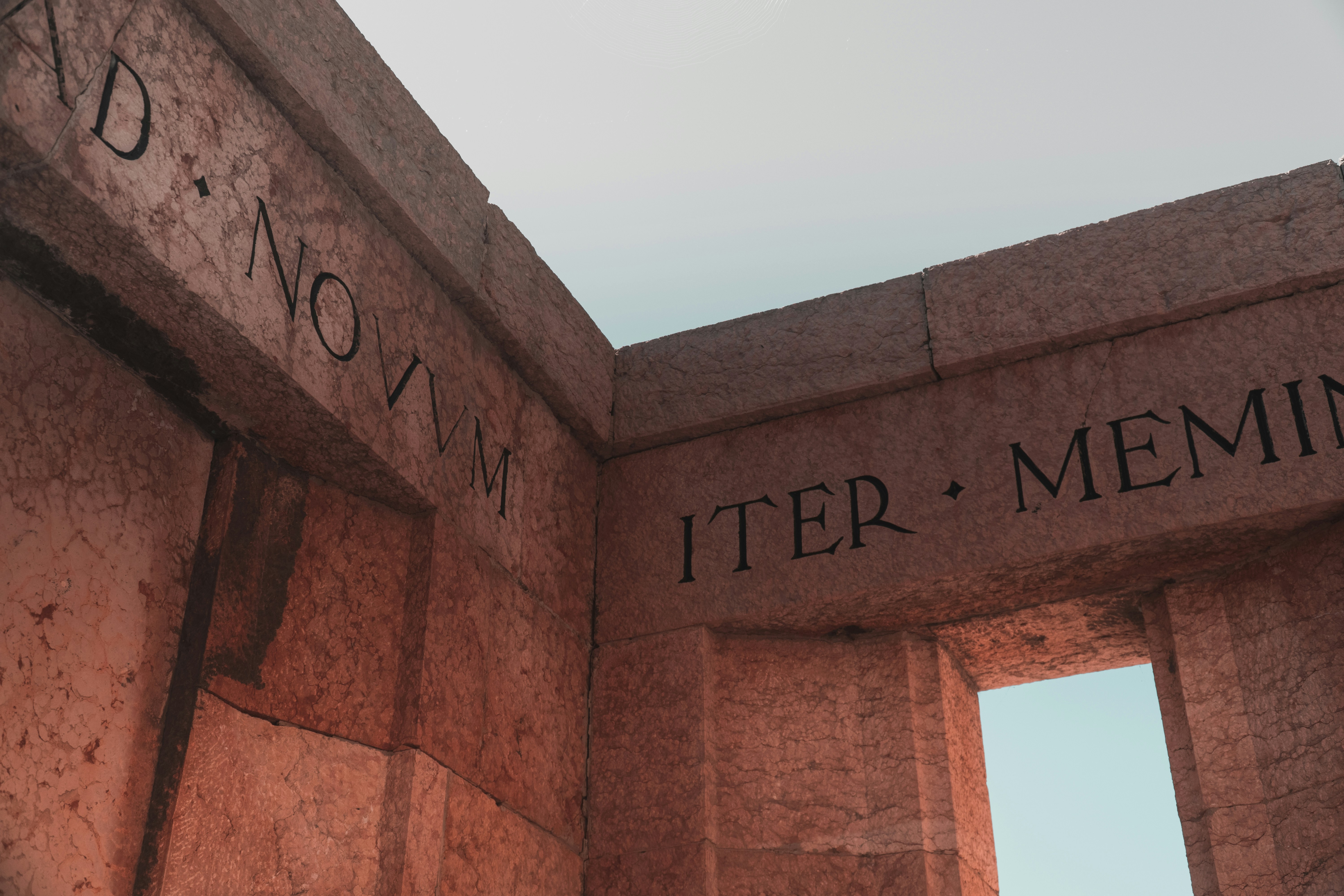
Here is one of the most interesting details: apostille is not a classical Latin legal word.
The word entered legal and documentary usage through French. Historically, an apostille could refer to a note or addition made to a written text. The Académie française records the term in French from the sixteenth century in senses connected with writing and annotation.
Some etymological accounts connect the older French word to Medieval Latin postilla, itself associated with a note or explanation placed after a text. The precise linguistic history is not completely certain, so it is better to describe Latin as part of the word's possible deeper background rather than to call apostille a Latin word.
Its modern international legal meaning comes from the Hague Convention of 5 October 1961 Abolishing the Requirement of Legalisation for Foreign Public Documents.
What the Apostille Convention changed
Before the apostille system, using a public document in another country could involve a chain of authentication and consular legalization. The process could require several authorities to confirm the signature or seal of the authority before them.
The Hague Conference on Private International Law developed a simpler system. The Convention was concluded in 1961 and entered into force in 1965. Instead of a long legalization chain between Convention countries, a designated Competent Authority can issue a standardized apostille.
The HCCH text of the Apostille Convention explains that a properly completed apostille certifies:
- the authenticity of the signature on the public document
- the capacity in which the signer acted
- where appropriate, the identity of the seal or stamp on the document
An apostille does not normally certify that every statement inside the underlying document is true. Its function is focused on the document's public origin and the authenticity of the relevant signature, capacity, seal, or stamp.
A fascinating language rule that still applies
Every apostille issued under the Convention must carry its title in French:
Apostille (Convention de La Haye du 5 octobre 1961)
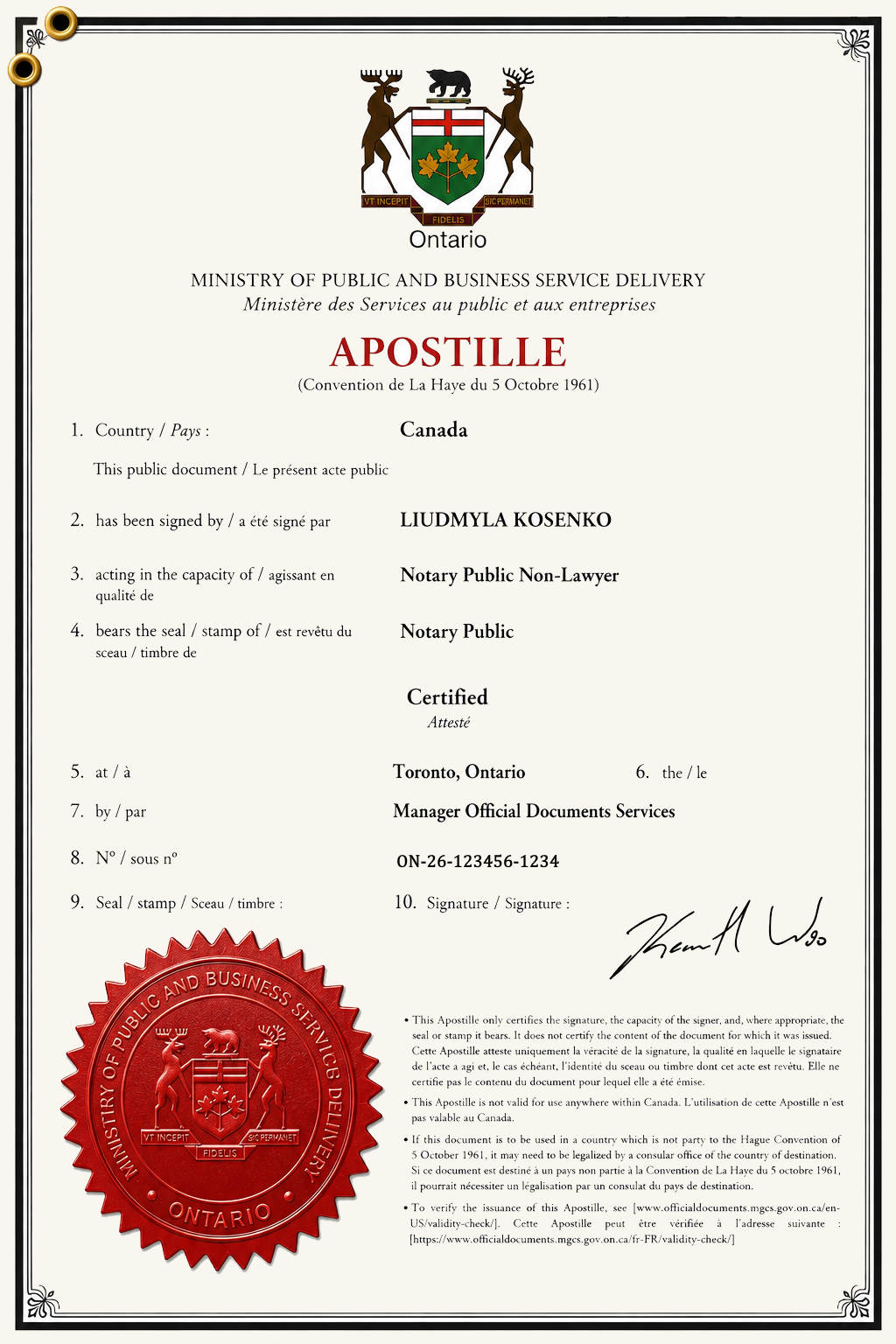
This requirement appears directly in Article 4 of the Convention. The rest of the standard fields may be in the official language of the issuing authority and may also appear in another language.
That means a Canadian apostille can be part of a global system involving dozens of languages, yet the title itself still preserves a fixed French formula from the 1961 Convention.
It is a good example of how international document systems use standardized language as a form of recognition. A receiving authority can immediately identify the certificate as an apostille even when the underlying document comes from another legal system.
Canada joined the apostille system in 2024
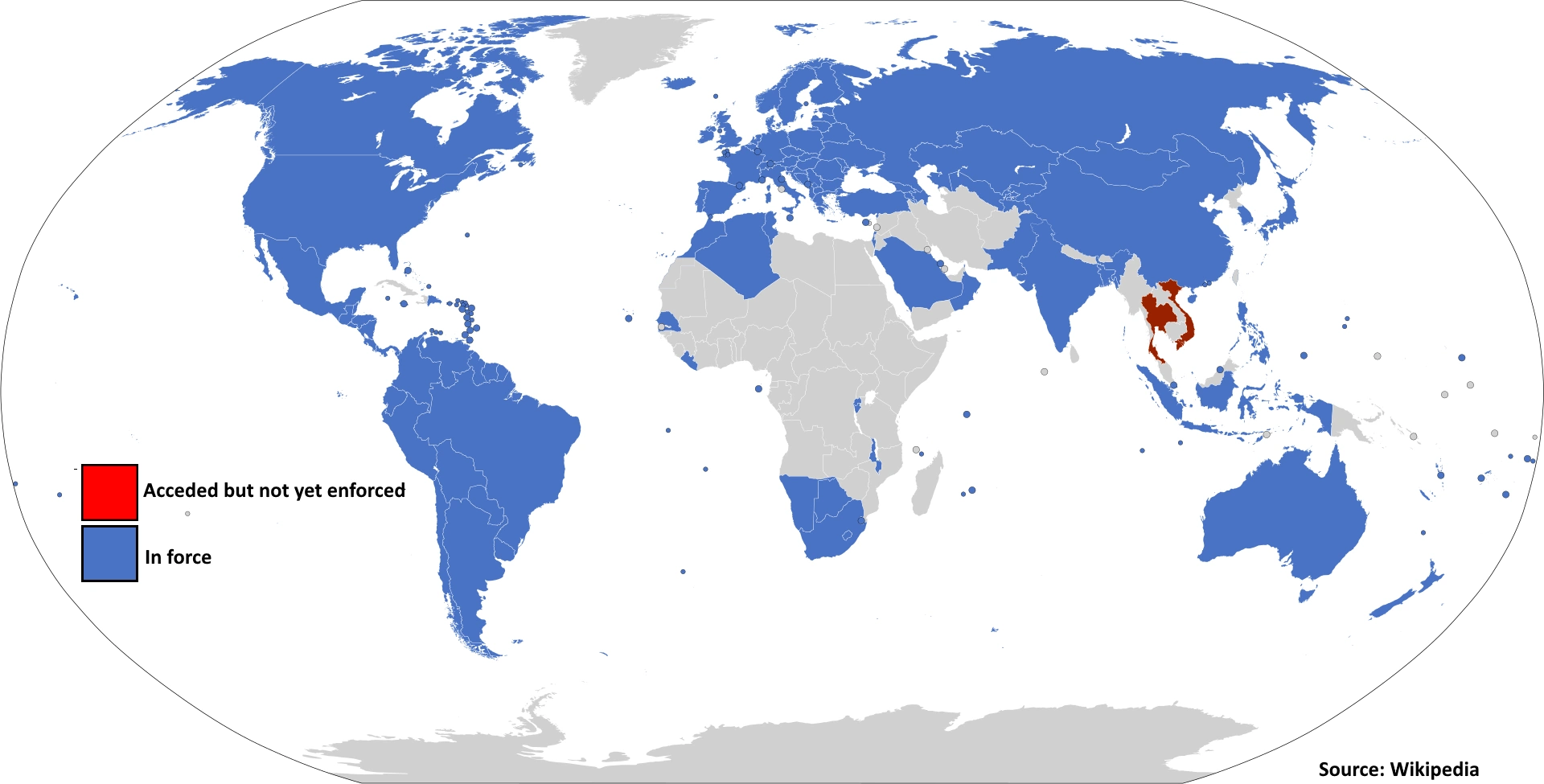
Canada's relationship with apostilles is much newer than many people realize.
The Apostille Convention entered into force for Canada on January 11, 2024. Global Affairs Canada explains that the system replaced many previous authentication and legalization steps for Canadian public documents destined for other countries that participate in the Convention. See Global Affairs Canada's authentication information.
In Canada, responsibility is divided between federal and provincial competent authorities. Ontario is one of the provinces authorized to issue apostilles for documents within its jurisdiction.
For Ontario documents, Official Documents Services, commonly called ODS, is the provincial authority responsible for document authentication and apostilles. Ontario's official authentication page explains that ODS compares signatures and seals or stamps with information in its records.
An apostille is not a translation, not a review of the document's legal meaning, and not a guarantee that the receiving organization will accept the document for every purpose.
What does an Ontario notary have to do with an apostille?
Notarization and apostille authentication are connected, but they are not the same act.
A notary public performs the notarial act. Depending on the document and purpose, that may involve witnessing a signature, certifying a true copy, taking an affidavit or declaration, or performing another authorized notarial function.
An apostille is issued by the designated competent authority, not by the notary public.
This distinction matters because some documents can be apostilled in their original government-issued form, while other documents may first need proper notarization. Ontario also states that documents that are merely commissioned are not processed for apostille by ODS. The correct route therefore depends on the document, where it was issued, how it was executed, and where it will be used.
Why old legal formulas survived for so long
There is a practical reason legal language changes slowly.
Documents often need to be recognized by people who were not present when they were signed. A court clerk, registrar, foreign ministry, embassy, bank, university, land office, or consular officer may see the document months or years later.
Standard wording helps those readers recognize what happened.
For centuries, Latin formulas provided that consistency. Today, legislation, prescribed forms, official stamps, notarial certificates, and the standardized apostille serve much of the same function.
The technology changed. The language changed. The institutional logic stayed familiar.
The philosophy can be reduced to three ideas
- Identity: the document should be connected to the correct person or authority.
- Authenticity: signatures, seals, and official acts should be capable of verification.
- Portability: a document should remain understandable and trustworthy when it travels beyond the place where it was created.
The apostille is especially powerful because it turns those ideas into an international format.
Five interesting facts to remember
- Notary is a Latin-rooted word. It comes from notarius, a term connected with notes, writing, and official record keeping.
- Ancient Roman notarii were not identical to modern notaries. The office evolved through several Roman and medieval documentary roles.
- Jurat is still used in Ontario. Its Latin root refers to something having been sworn, and the term remains part of modern affidavit practice.
- Apostille is French, not classical Latin. Its older meaning was connected with a written note or annotation.
- The apostille title must still appear in French. The Convention requires the wording “Apostille (Convention de La Haye du 5 octobre 1961)” even when the certificate is issued elsewhere in another language.
From parchment to international verification

A medieval notary working in Latin and a modern Ontario notary working in English may appear to belong to completely different worlds. In many ways they do.
Yet both systems are concerned with the same problem: how can another person trust a document they did not personally see being created?
The historical answer involved trained scribes, formal language, signs, seals, and public authority. The modern answer uses regulated notarial acts, official records, competent authorities, standardized apostille certificates, and increasingly digital verification systems.
Latin is no longer the working language of Ontario notarial practice, but its influence remains visible in the vocabulary and structure of the law. The apostille adds another layer of history, combining a French term, a twentieth-century international treaty, and a modern system designed to make public documents easier to use across borders.
That is what makes the subject so interesting. The words are old, but the problem they solve is still very modern.
Practical note: Requirements for notarization, authentication, apostille, translation, and legalization depend on the document and the receiving country or institution. Confirm the destination requirements before starting the process. This article is general information and is not legal advice.
ReferencesReview sources
These links are provided as a courtesy so you can review the sources yourself.
1. Ontario: Information for notaries public 2. Ontario: Authenticate a document for use outside Canada 3. Ontario Notaries Act 4. Ontario Commissioners for Taking Affidavits Act 5. Global Affairs Canada: Authentication of documents 6. HCCH: Full text of the 1961 Apostille Convention 7. HCCH: Model Apostille Certificate, bilingual versions 8. University of La Laguna: From Latin notarial formulas to Romance formulas in the thirteenth century 9. Merriam-Webster: Notary 10. Merriam-Webster: Jurat 11. Académie française: Apostille